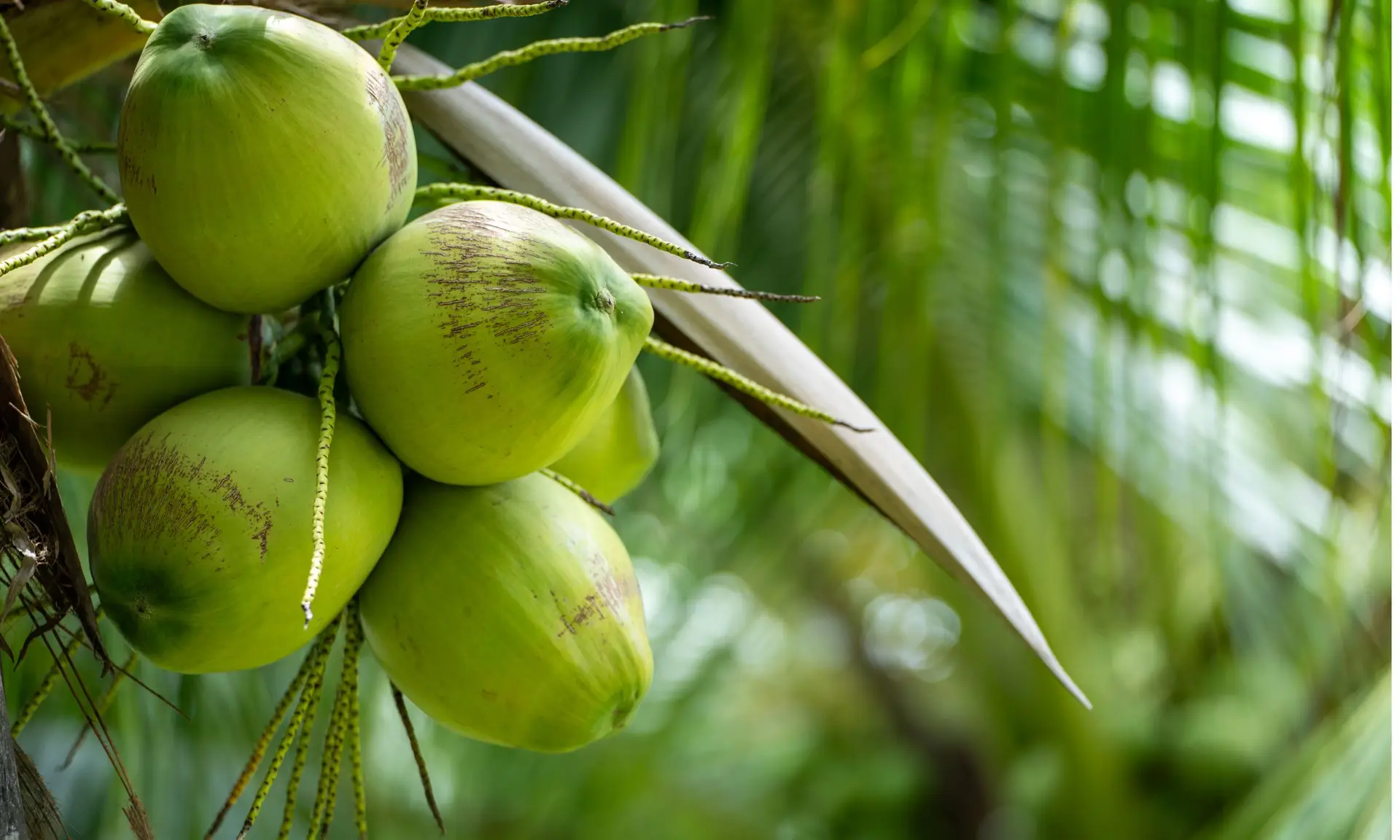
From Nursery to Field: How We’re Growing Xina’s Coconut Orchard

Nigeria produces roughly 350,000 tonnes of coconut a year against national demand of 1.75 million tonnes. Four out of every five coconuts consumed in the country are imported. At Xina Integrated Farm, around 26 of our 71.47 hectares in Adeje, Delta State are dedicated to closing that gap — not just by growing coconuts, but by building a circular system in which every husk becomes the growing medium for our own greenhouses.
Before that orchard produces a single nut, though, it has to survive its first year in a nursery. Here’s how we’re taking it from seed to soil.
Why the Site Was Chosen Before the Seed
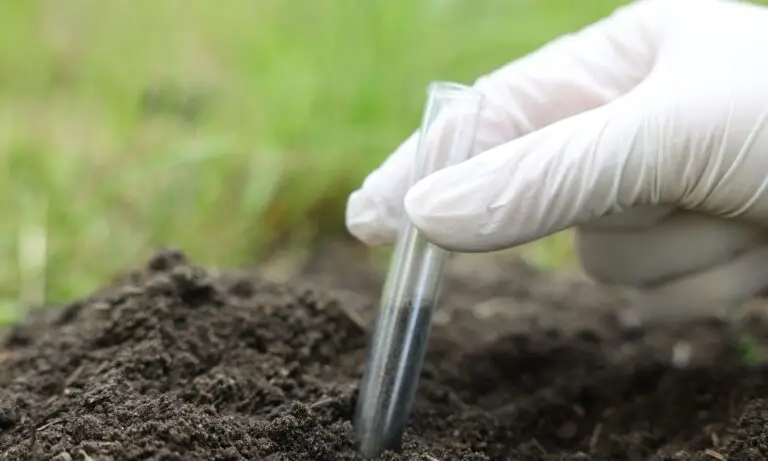
Coconut at Xina isn’t going into whichever ground happens to be free. Our soil testing programme — 20 samples across 10 zones, analysed by the IITA Analytical Services Laboratory — identified specific blocks (Zones A, B, G and J) as the priority sites for orchard development, based on texture, drainage, and nutrient profile. Like the rest of the estate, these zones came back acidic, so agricultural lime is going in at 2.0–3.0 tonnes per hectare, three to six months ahead of planting, alongside a single superphosphate and rock phosphate blend to correct low phosphorus. None of this is guesswork — it’s a direct response to lab results, not assumption.
Inside the Nursery
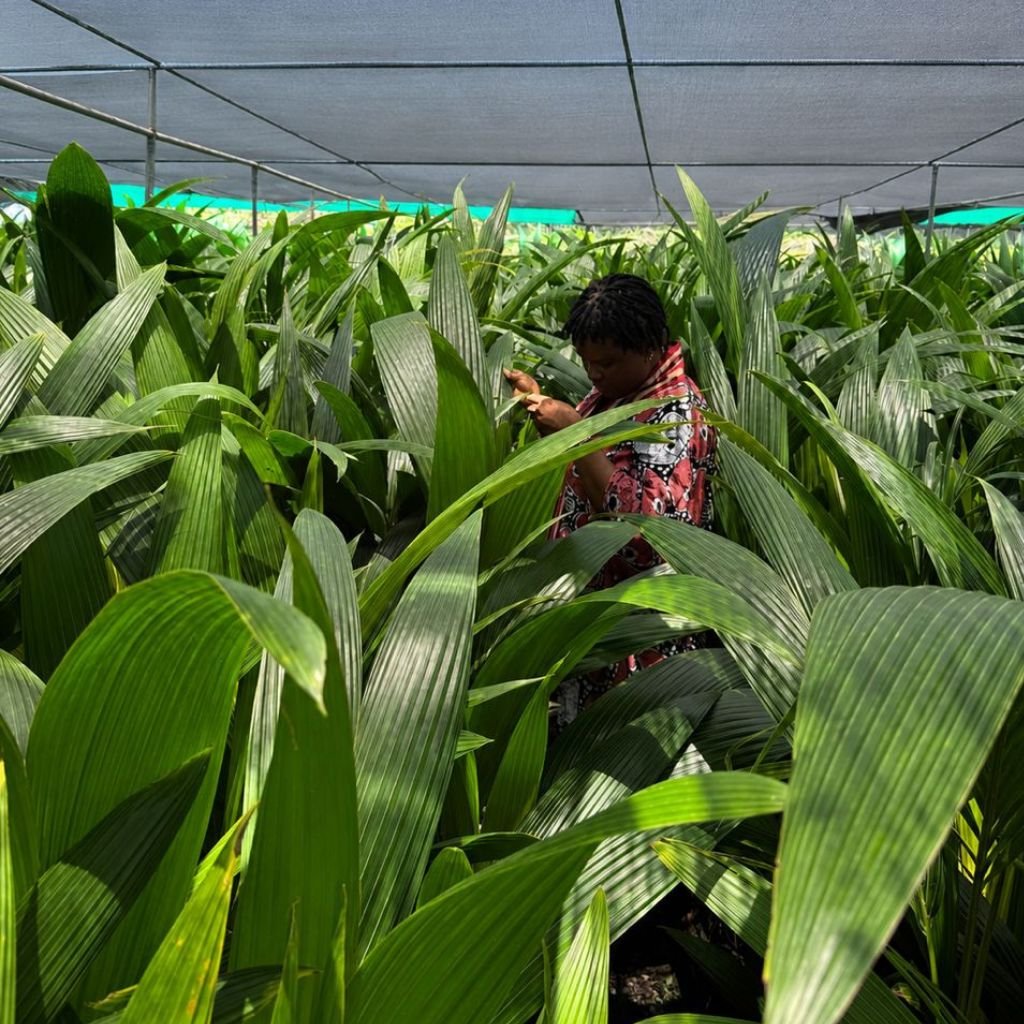
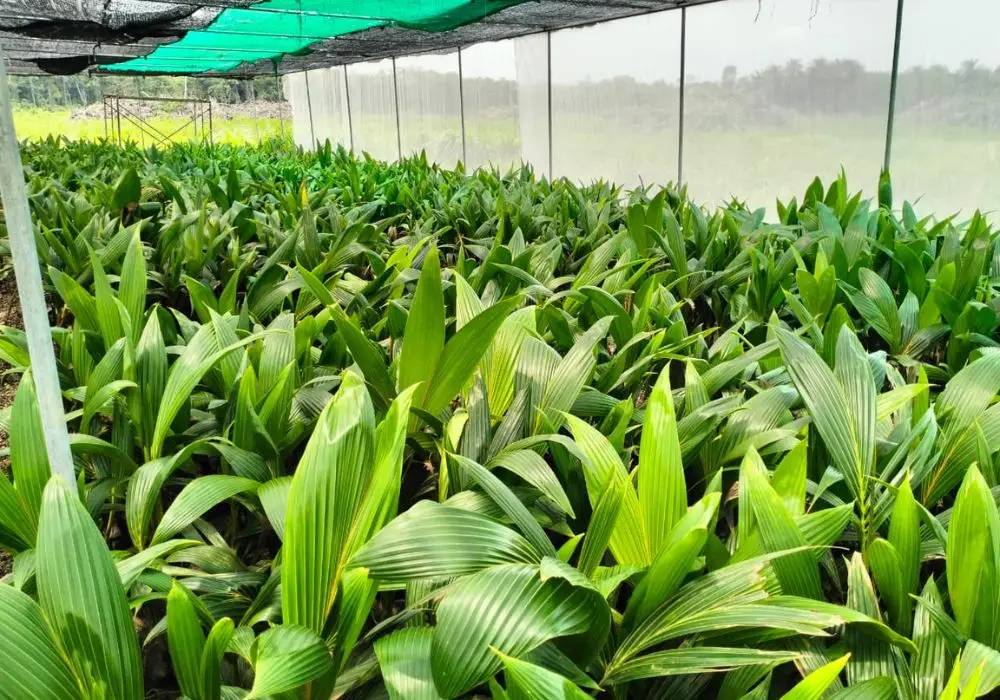
Coconut establishment starts long before anything goes into the field. Mature, disease-free seednuts are selected and laid in a shaded pre-germination bed, where they’re watered consistently and monitored for sprouting — typically over 8 to 12 weeks, with healthy, vigorous sprouts selected and weaker ones culled.
Once germinated, seedlings move into polybags filled with a fertile topsoil and organic matter mix, where they’re grown on under partial shade for several months. This stage is where the foundation of a productive palm is really built: consistent watering, regular weeding, and early screening for pests or disease, so that only strong, healthy seedlings make it to the field. Depending on growth rate, seedlings are typically ready for transplanting at 9 to 12 months old, once they’ve developed several true leaves and a sturdy root system.
Preparing the Land for Transplanting
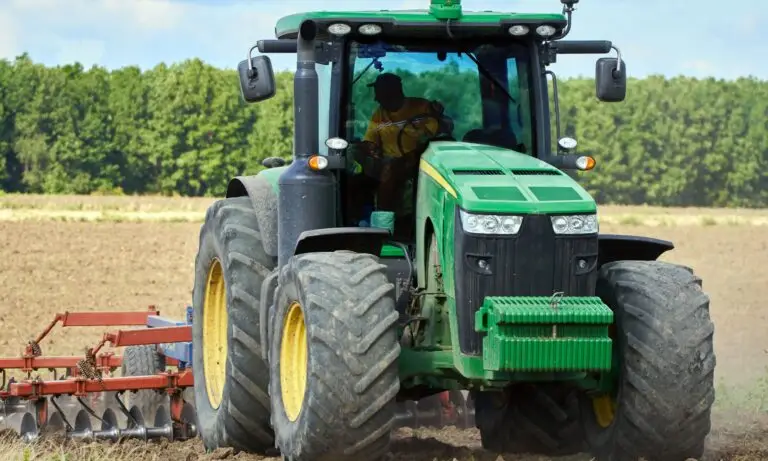
Once a nursery seedling is ready, the field has to be ready too. Planting pits are dug well ahead of transplanting — typically around 0.75–1m cubed — and back-filled with a mix of topsoil, compost, and the lime/phosphate amendments specific to that zone’s soil test results. Spacing follows standard agronomic practice for the variety planted, generally in the range of 8–9 metres between palms, giving each tree room for a full canopy at maturity and keeping the orchard accessible for intercropping and harvest.
Transplanting Day
Timing matters as much as technique. Transplanting is scheduled around the onset of the rains, when seedlings can establish a root system without depending entirely on irrigation. Each seedling is set at the same depth it grew in the nursery bag — planting too deep is one of the most common causes of poor establishment — then firmed in, watered, and mulched to conserve moisture and suppress early weed competition.
The First Season After
The months immediately after transplanting are the most vulnerable in a coconut palm’s life. Regular watering (supplemented by the estate’s micro-sprinkler system during the dry season), weeding, and pest monitoring continue through the first year. This is also when intercropping begins: legume cover crops such as mucuna and cowpea are established between young palms, fixing nitrogen into the soil and improving organic carbon — addressing the low organic matter our soil tests flagged across the estate — while the orchard canopy is still open enough to let them thrive.
Why Every Husk Will Matter
A coconut palm takes years to reach full production, but the design thinking behind this orchard starts paying off from the very first harvest. Husks processed on-site become cocopeat and coir — the growing substrate for Xina’s own greenhouses, closing the loop between two enterprises that, on paper, have nothing to do with each other. It’s a small detail with a large purpose: nothing grown on this estate is designed to be wasted.
Newsletter Updates
Enter your email address below and subscribe to our newsletter