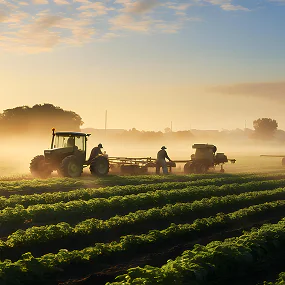
Stay Updated with Projects & News

Subscribe to receive the latest project updates, agricultural insights, sustainability initiatives, and developments from across the Xina Agro ecosystem

Built on One Estate, One Standard

Xina Agro Limited exists to prove that integrated, technology-driven farming can feed a region, train its people, and pay for itself

Xina Agro Limited is an integrated agribusiness built on a single 71.47-hectare estate in Adeje, Delta State to Sustain Food Production

Sustainable innovations
0 %
Food Production Focused
0 %

Our Mission

Building a world-class, technology-driven
agricultural enterprise that maximizes productivity, promotes sustainability, and creates lasting value through innovation, training, and inclusive growth..

Know More About Us

Xina Agro Limited is an integrated agribusiness built on a single working estate in Adeje, Okpe LGA, Delta State — 71.47 hectares of greenhouse vegetables, rice-fish-duck aquaculture, coconut agroforestry, livestock, agro-processing, training, and farm tourism, engineered to operate as one connected system rather than six separate businesses.

The site was chosen and developed deliberately, not opportunistically. Every zone sits where it does because the land said so 
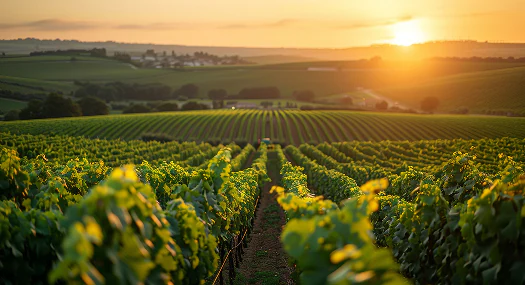
Developed in partnership with Afritropic Farming & Agro Services Ltd. as lead technical design consultant, Xina Agro is building toward GlobalG.A.P. and HACCP compliance from the ground up — designed not just to produce, but to be audited, financed, and trusted by partners at every stage. The ambition is straightforward: to become West Africa’s flagship climate-smart agribusiness hub, closing real gaps in Nigeria’s food supply while creating jobs, training, and long-term value

What Sets Xina Apart

Xina’s systems are mapped directly to the UN Sustainable Development Goals — clean energy and climate action (SDGs 6, 7, 13, 15), jobs and gender-inclusive training (SDGs 1, 4, 5, 8, 10), and traceable, transparent operations (SDGs 9, 12, 16, 17)

Sustainable Food Production

The Xina Farm Practice, Regenerative Agriculture.

— Greenhouses on the highest, best-draining ground; rice paddies and fish ponds in the natural low-lying catchment; coconut belts doubling as windbreaks and biodiversity buffers. Waste from one enterprise becomes the input for another: livestock manure feeds the farm’s biogas plant, coconut husk becomes growing substrate for the greenhouses, and treated water is recirculated rather than discharged. Nothing on the estate is designed to be wasted.